
Table of Contents
- Introduction
- What Are Construction Sealants?
- Key Features of Construction Sealants
- Types of Construction Sealants
- Technical Specifications Table
- Applications of Construction Sealants
- Benefits of Using Quality Sealants
- Application Process
- Maintenance and Best Practices
- Why Choose Professional Construction Sealants?
- Frequently Asked Questions
- Conclusion
Introduction
Explore the benefits of construction sealants for waterproofing, joint protection, weather resistance, and structural durability. Ideal for residential, commercial, and industrial construction projects.
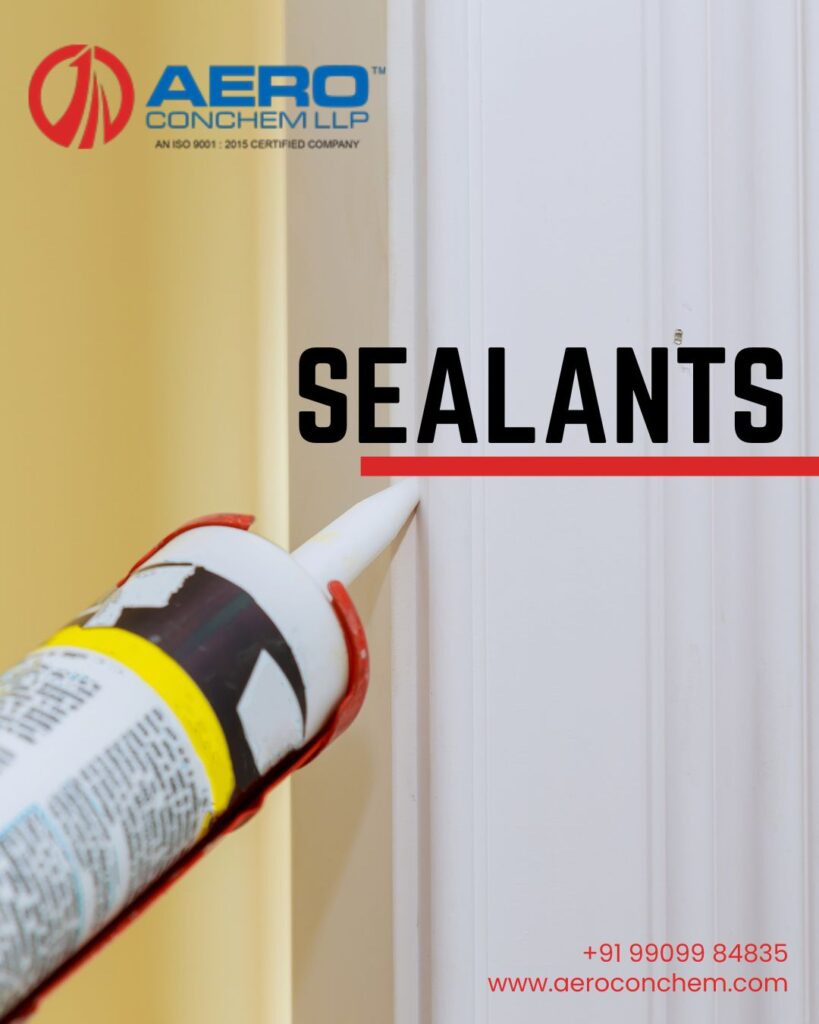
Construction sealants are essential materials used to fill, seal, and protect joints, gaps, cracks, and connections in buildings and infrastructure projects. They provide a durable barrier against water, dust, air infiltration, chemicals, and environmental exposure while accommodating structural movement.
aeroconchem Modern construction projects rely on high-performance sealants to improve durability, energy efficiency, weather resistance, and overall building performance.
What Are Construction Sealants?
Construction sealants are flexible materials designed to create a protective seal between two surfaces. Unlike rigid fillers, sealants can absorb movement caused by temperature changes, vibration, expansion, and contraction without cracking or losing adhesion.
They are widely used in windows, doors, facades, flooring joints, roofing systems, concrete structures, and industrial installations.
Key Features of Construction Sealants
Excellent Adhesion
Provides strong bonding to concrete, metal, glass, ceramic, wood, aluminum, and various construction materials.
Superior Flexibility
Accommodates structural movement without cracking or failure.
Waterproof Protection
Creates an effective barrier against water penetration and moisture damage.
Weather Resistance
Performs reliably under UV exposure, rain, heat, cold, and changing environmental conditions.
Chemical Resistance
Offers protection against oils, chemicals, and industrial contaminants.
Long Service Life
Maintains sealing performance for years with minimal maintenance.
Crack Bridging Capability
Effectively seals small cracks and movement joints.
Types of Construction Sealants
Silicone Sealants
Widely used for glazing, windows, doors, curtain walls, and weatherproofing applications.
Polyurethane Sealants
Known for excellent adhesion, flexibility, and durability in construction joints.
Acrylic Sealants
Suitable for interior applications and paintable joint sealing.
Hybrid Sealants
Combine the advantages of multiple technologies for superior performance.
Fire-Resistant Sealants
Used in fire-rated walls, floors, and service penetrations.
Waterproofing Sealants
Designed specifically for moisture protection and water resistance.
Technical Specifications Table
| Property | Specification |
|---|---|
| Product Type | Construction Sealant |
| Adhesion Strength | High |
| Flexibility | Excellent |
| Waterproofing | Yes |
| UV Resistance | High |
| Weather Resistance | Excellent |
| Chemical Resistance | Moderate to High |
| Application Method | Cartridge Gun / Manual |
| Surface Compatibility | Multiple Substrates |
| Durability | Long-Term Performance |
Applications of Construction Sealants
Window and Door Installation
Seals gaps around frames to prevent water and air leakage.
Expansion Joints
Accommodates structural movement in buildings and infrastructure.
Facade Systems
Protects building exteriors from weather penetration.
Concrete Structures
Seals joints, cracks, and construction connections.
Roofing Applications
Provides waterproof sealing around roof penetrations and joints.
Flooring Systems
Used in movement joints and industrial flooring applications.
Industrial Facilities
Protects structures exposed to chemicals, moisture, and harsh environments.
Plumbing and Utility Installations
Creates watertight seals around pipes, ducts, and service penetrations.
Benefits of Using Quality Sealants
Prevents Water Leakage
Protects structures from moisture-related damage and deterioration.
Improves Energy Efficiency
Reduces air leakage and enhances insulation performance.
Extends Structural Life
Protects building components from environmental damage.
Reduces Maintenance Costs
Minimizes repair requirements caused by water ingress and joint failure.
Enhances Appearance
Provides neat, clean, and professional finishing.
Supports Structural Movement
Maintains seal integrity despite expansion and contraction.
Application Process
Surface Preparation
Clean the substrate thoroughly and remove dust, grease, oil, and loose particles.
Joint Preparation
Ensure the joint dimensions meet project specifications.
Primer Application
Apply primer if recommended for specific substrates.
Sealant Installation
Apply sealant uniformly using a sealant gun.
Tooling and Finishing
Smooth the sealant to ensure proper contact and appearance.
Curing Process
Allow adequate curing time according to manufacturer recommendations.
Maintenance and Best Practices
Inspect Periodically
Check joints regularly for damage or wear.
Clean Surfaces
Keep sealed areas free from dirt and contaminants.
Repair Damaged Sections
Replace or repair deteriorated sealant promptly.
Follow Manufacturer Guidelines
Always use the recommended application and curing procedures.
Use Appropriate Sealant Type
Select the correct sealant based on environmental and performance requirements.
Why Choose Professional Construction Sealants?
Professional-grade construction sealants offer:
- Superior adhesion performance
- Long-term flexibility
- Excellent weather resistance
- Reliable waterproofing protection
- Reduced maintenance costs
- Improved structural durability
- Enhanced building performance
These benefits make construction sealants an essential component of modern building projects.
Frequently Asked Questions
What is the primary purpose of construction sealants?
Construction sealants are used to seal joints, gaps, and cracks to prevent water, air, and contaminant penetration.
Are sealants waterproof?
Yes, many construction sealants provide excellent waterproofing performance.
Which sealant is best for exterior applications?
Silicone and polyurethane sealants are commonly used for exterior weatherproofing applications.
Can sealants accommodate movement?
Yes, flexible sealants are specifically designed to handle structural movement.
How long do construction sealants last?
High-quality sealants can provide long-term performance when properly installed and maintained.
Can sealants be used on concrete surfaces?
Yes, many sealants are specifically formulated for concrete joints and structures.
Conclusion
Construction sealants are critical materials for ensuring the durability, waterproofing, and long-term performance of buildings and infrastructure. Their ability to seal joints, accommodate movement, and resist environmental exposure makes them indispensable in modern construction projects.
Whether used in windows, doors, facades, flooring systems, roofing applications, or industrial structures, quality sealants help protect investments, reduce maintenance costs, and improve overall building performance. Choosing the right sealant solution ensures reliable protection and long-lasting results.
Check this :- https://www.bis.gov.in/
